
|
 |
 |
|
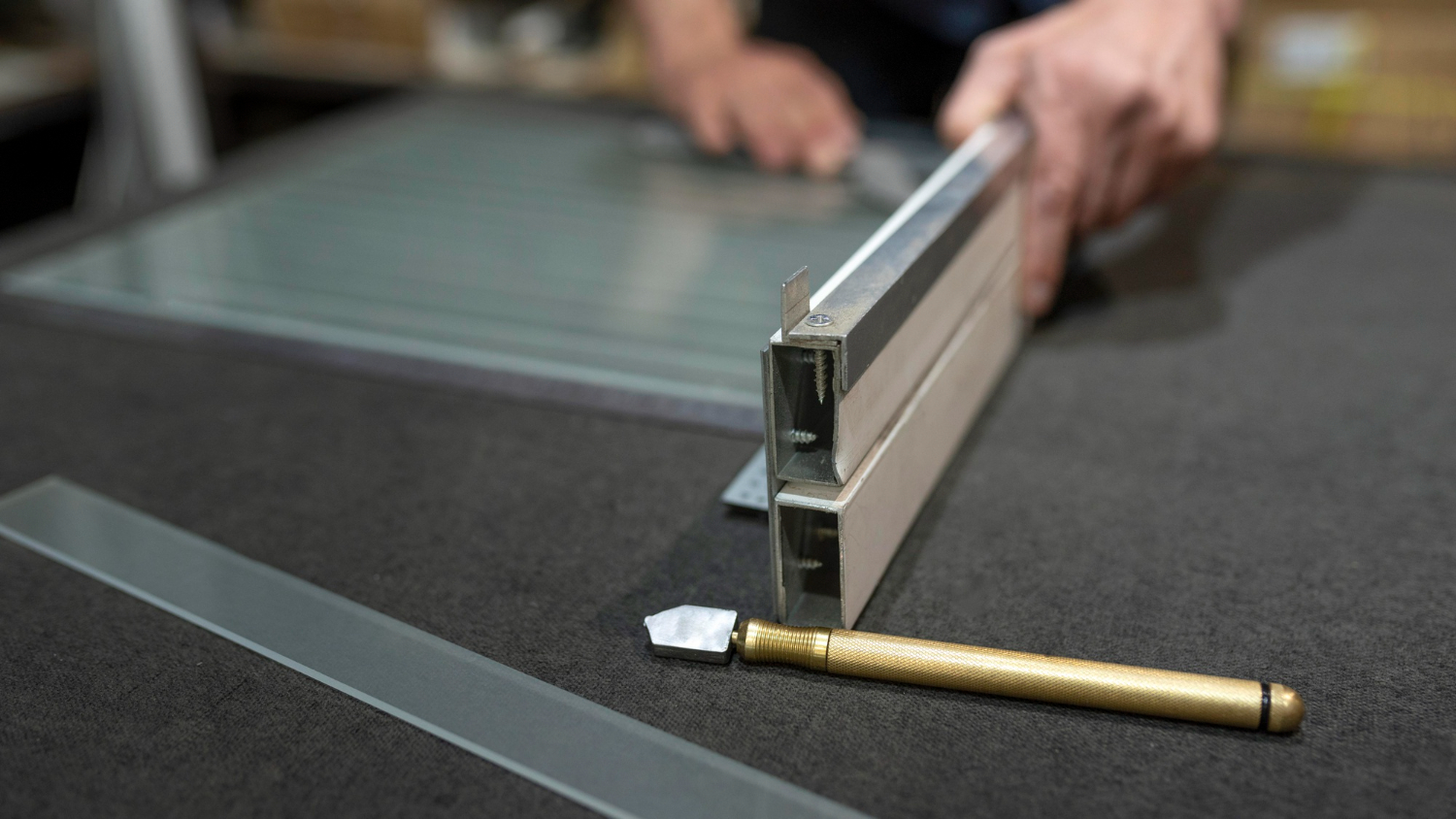
Every project needs good materials right from the start. Pick the wrong metal parts, and your whole product can fall apart. Lots of businesses never stop to think about where their supplies actually come from. That mistake leads to late deliveries, parts that do not fit, and wasted money that could have been saved. Working with skilled aluminium profile manufacturers changes the whole game. These experts turn plain metal into precise shapes that match your drawings exactly. This article explains why teaming up with them matters so much for your work. We look at quality, costs, and the long-term gains you will see down the road. Building something that lasts means paying attention to every tiny detail along the way. The frame or support parts often hide beneath the outer surface, where nobody sees them. Yet these hidden pieces bear all the weight and stress from daily use and abuse. A poorly made metal part can crack, bend, or wear out way too soon. This guide walks through the benefits of picking the right production partner for your needs. No sales talk or hard words here to confuse you. Just clear facts to help you choose wisely for your next job. Why Aluminium Profiles Are Widely Used Across IndustriesSo many different industries rely on this metal for their daily work around the world. The unique properties of aluminium make it useful for a huge range of jobs.
Benefits of Professional Aluminium Manufacturing SolutionsWorking with skilled producers brings clear wins to any building project you take on. Professional aluminium profile manufacturers deliver results that amateurs simply cannot match. 1. Precise DimensionsProfessional makers use calibrated tools for every single cut they make. The final profiles match your drawings within tiny margins of error. Parts fit together without gaps, wobbles, or extra filing to force them. This precision saves hours of adjustment time on the assembly floor later on. 2. Consistent QualityEach batch of profiles shares the same dimensions and surface finish throughout. You can order the same part months apart and get identical results each time. This consistency allows you to build up stock without any worry or doubt. Your final product will look and perform the same way every single time. 3. Technical SupportGood manufacturers offer useful advice before you even start production. They spot potential problems in your design early, when fixes are still straightforward. Their years of experience help you pick the right alloy and hardness for your needs. This guidance prevents costly mistakes that could jeopardise your entire project later on. Growing Demand for Industrial Aluminium ProfilesMore industries now rely on aluminium shapes for their daily operations and production lines. The demand keeps rising as new sectors discover the benefits of this metal. 1. Rise of Factory AutomationFactories now use more machines than ever before in human history. Conveyor belts and robotic arms need strong frames to work properly. Industrial aluminium profiles provide perfect building blocks for these systems. The metal's light weight and high strength make it ideal for moving parts. 2. Growth in the Building SectorNew construction projects consume huge amounts of profiled metal each year. Window frames, door rails, and curtain walls rely on extruded aluminium shapes. Builders prefer this metal over steel for outdoor jobs. Aluminium does not rust, which means less maintenance over time. 3. Expansion of Green EnergySolar panels and wind turbines need durable frames to hold their working parts. Aluminium profiles support these green energy systems outdoors. The metal withstands sun, rain, and temperature changes without breaking down. Advanced Manufacturing Technology in Aluminium Profile ProductionNew technology has changed how factories make aluminium profiles recently. These advances allow for faster production and better quality control. 1. Computer-Controlled Extrusion LinesModern factories use computers to manage every step of the extrusion process. The machine keeps steady pressure and temperature throughout each run. Sensors adjust settings automatically when conditions change. This automation reduces waste and improves quality. 2. Robotic Handling and Cooling SystemsAfter hot metal pushes through the die, robots take over the handling duties. Mechanical arms move long profiles through cooling stations at precise speeds. Lasers measure each piece to ensure the proper length. Any profile outside the allowed range gets rejected right away. 3. Simulation Software for Die DesignEngineers now test new die shapes on computers before cutting any metal. The software models how soft aluminium flows through each part of the die. This virtual testing spots potential problems while they are still manageable to fix. This process saves weeks and thousands of dollars wasted on failed test runs. Importance of Durable and Lightweight Aluminium ProfilesThe unique properties of aluminium make it perfect for moving parts and portable equipment. Products that need to travel or shift positions gain a lot from this metal.
These benefits explain why so many industries choose aluminium for demanding applications. From moving robots to fixed building frames, aluminium delivers reliable performance every day. Why Businesses Prefer Experienced Aluminium Extrusion ManufacturersExperience brings knowledge that no textbook or video can ever teach you. Long-standing aluminium extrusion manufacturers have solved thousands of unique problems over the years. 1. Problem-Solving SkillsVeteran producers spot issues before they turn into serious problems on the line. They know which alloys work best for which specific applications from past jobs. Their teams can suggest design changes that save material without losing any strength. This expertise comes only from years of hands-on work and learning from mistakes. 2. Reliable DeliveryEstablished shops keep steady production schedules even during the busiest times of the year. They have backup machines and spare parts ready for emergencies that pop up. Their good relationships with material suppliers ensure a steady flow of raw aluminium. This reliability keeps your project moving forward without unwanted delays or excuses. 3. Investment in QualitySuccessful makers put money back into their equipment and worker training. They buy new machinery before the old tools wear out completely from use. Their workers attend regular classes to learn new techniques and skills. This commitment shows in every single profile that leaves their factory floor. 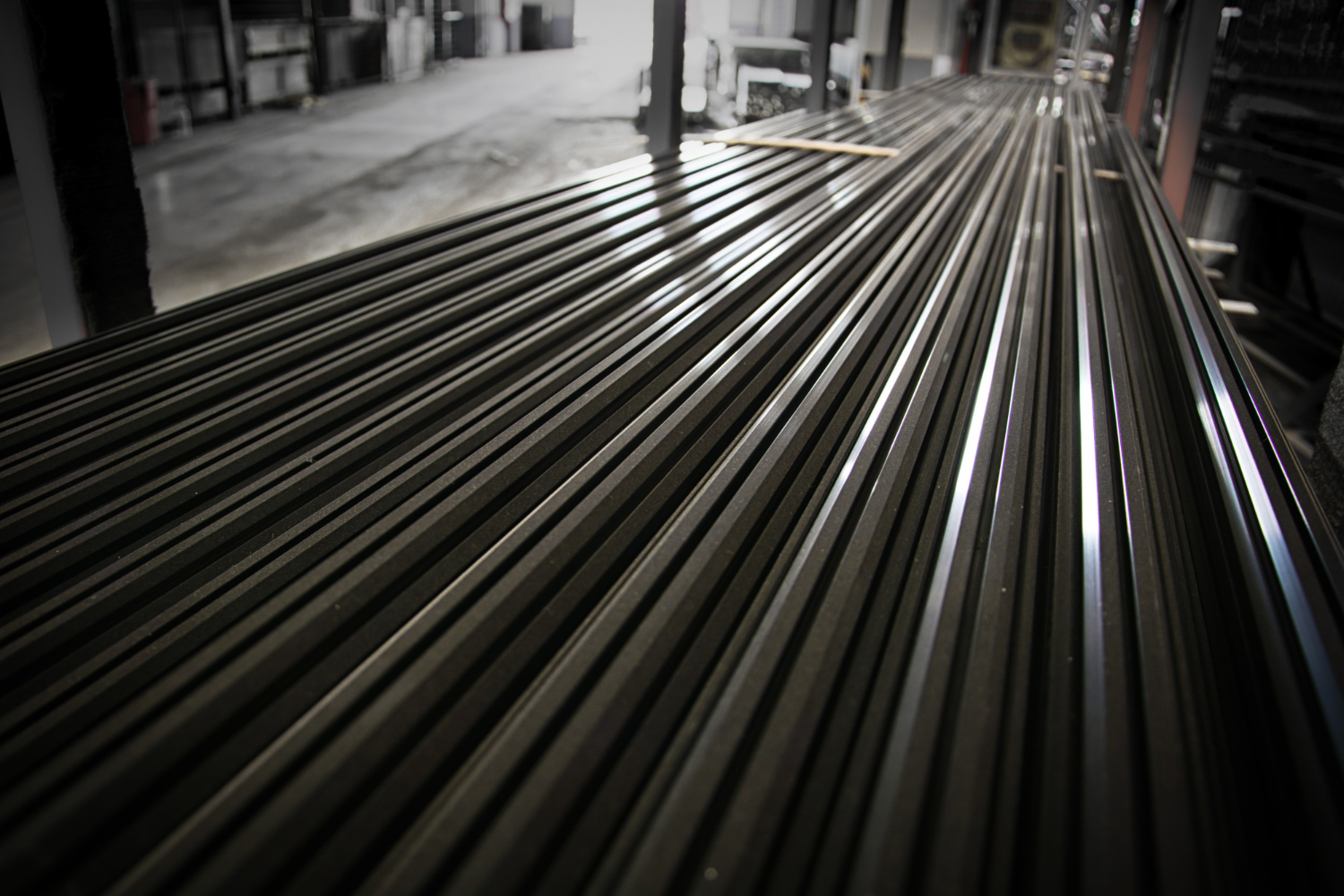
Custom Aluminium Profile Solutions for Different ApplicationsEvery project has unique needs that off-the-shelf parts cannot always meet for you. Custom profiles fill this gap by matching your exact specifications and drawings. 1. Creating New ShapesYou can design a shape that serves only your specific product and nothing else. The manufacturer builds a steel die that matches your drawings exactly. This die stamps out profiles that fit your assembly without needing extra parts. Custom shapes often replace several standard pieces that used to be joined together. 2. Matching Existing PartsSometimes you need to extend or repair an older system that still works well. A good maker can copy the profile of an existing part exactly as it is. They measure the old piece and create a die to match its shape. New sections will join seamlessly with the original structure without gaps or force. 3. Special Surface FinishesBeyond the basic shape, custom work can include unique surface treatments, too. You may need a specific colour, texture, or coating for your profiles. An aluminium profile supplier in Malaysia can apply these finishes before shipping to you. This saves you from sending parts out for secondary processing later on. How Manufacturers Maintain Quality and Industry StandardsQuality control starts long before the first piece of metal leaves the factory doors. Good producers build checks into every stage of production, not just the end.
Only perfect profiles make it to the packing station and out to customers. This commitment to quality means you receive parts that fit right the first time. No rework, no delays, and no frustration on your assembly floor. Tips for Choosing the Right Aluminium SupplierFinding the right partner takes some research and careful thought on your part. These tips help you separate reliable suppliers from the rest of the pack.
Future Trends in the Aluminium Profile IndustryThe aluminium sector keeps changing as new technologies come online every year. Staying aware of these trends helps you plan better for your upcoming projects. 1. Stronger AlloysMetal scientists keep finding ways to make aluminium even stronger than before. New mixtures of metals create profiles that carry more weight with less material. These advanced alloys allow thinner walls without losing any strength at all. 2. Greener ProductionFactories are switching to renewable energy sources to run their operations. Solar panels and wind turbines now power some extrusion lines completely. Recycling systems capture and reuse heat that would have gone to waste up the chimney. These changes lower the carbon footprint of every profile made. 3. Smarter LogisticsComputer systems now track each order from the first design to final delivery. Customers can check the status of their profiles in real time online. Automated warehouses store and retrieve parts without any human help needed. This speed cuts down the time between placing an order and arrival at your door. ConclusionTeaming up with professional aluminium profile manufacturers sets your project up for success from the very start. You gain access to precision equipment, skilled workers, and top-quality materials that perform well. These factors work together to produce parts that fit right and last a long time. Industrial aluminium profiles from experienced shops save you both time and hard-earned money. You avoid the headaches of rework, returns, and early failures on your finished products. A good aluminium profile supplier in Malaysia becomes a true partner in your work, not just a vendor you pay. Choose wisely, ask insightful questions, and visit their facilities before you make a decision. Your final product will show the difference that quality makes at every single stage of production. Choose Kyoto Automation for aluminium profiles and experience reliable performance through expert manufacturers. FAQsWhat are aluminium profiles used for?
Why are industrial aluminium profiles so popular in manufacturing?
How do I choose the right aluminium profile supplier?
Are aluminium profiles suitable for outdoor applications?
What do aluminium extrusion manufacturers do?
|
| |

Kyoto.com.my offers high-quality bathroom and kitchen solutions, including premium sanitary ware, fittings, and accessories in Malaysia.
|


